
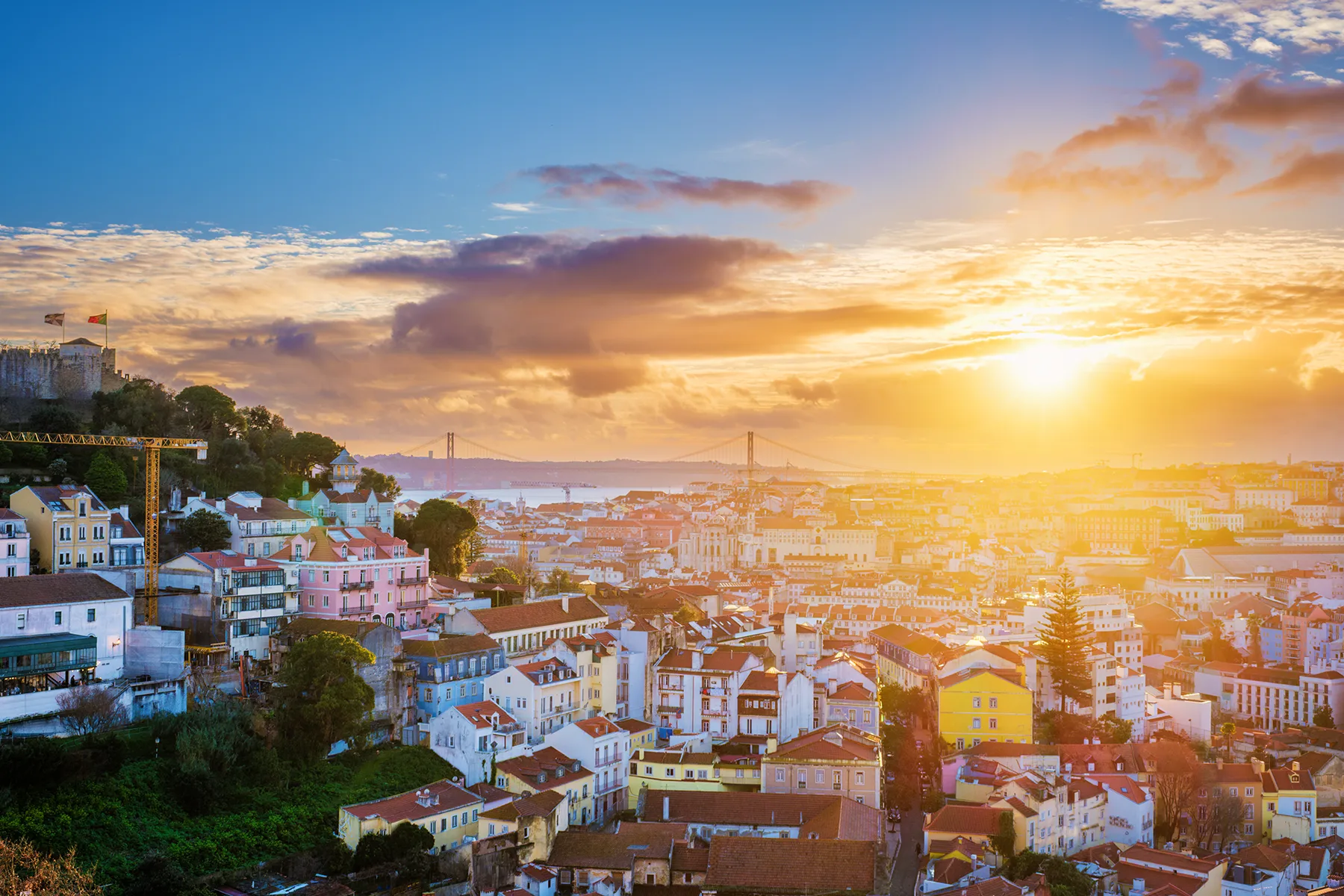




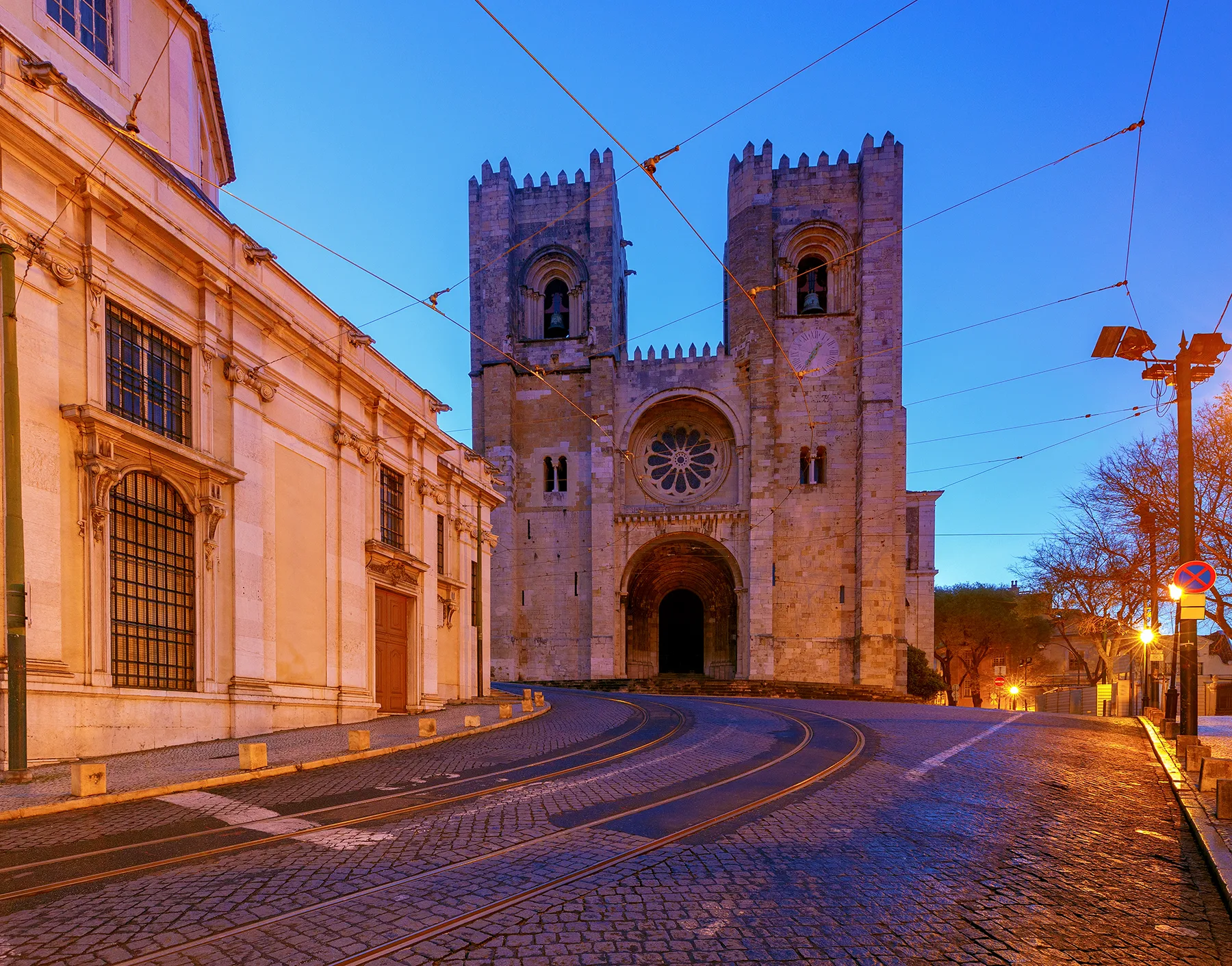
Lisbon Cathedral (Sé de Lisboa)
Visit Lisbon’s oldest cathedral, a landmark that has stood since the 12th century. Its stone walls hold centuries of history—and traces of the city’s transformation through disasters and rebuilds. It’s the perfect introduction to Lisbon’s layered past.
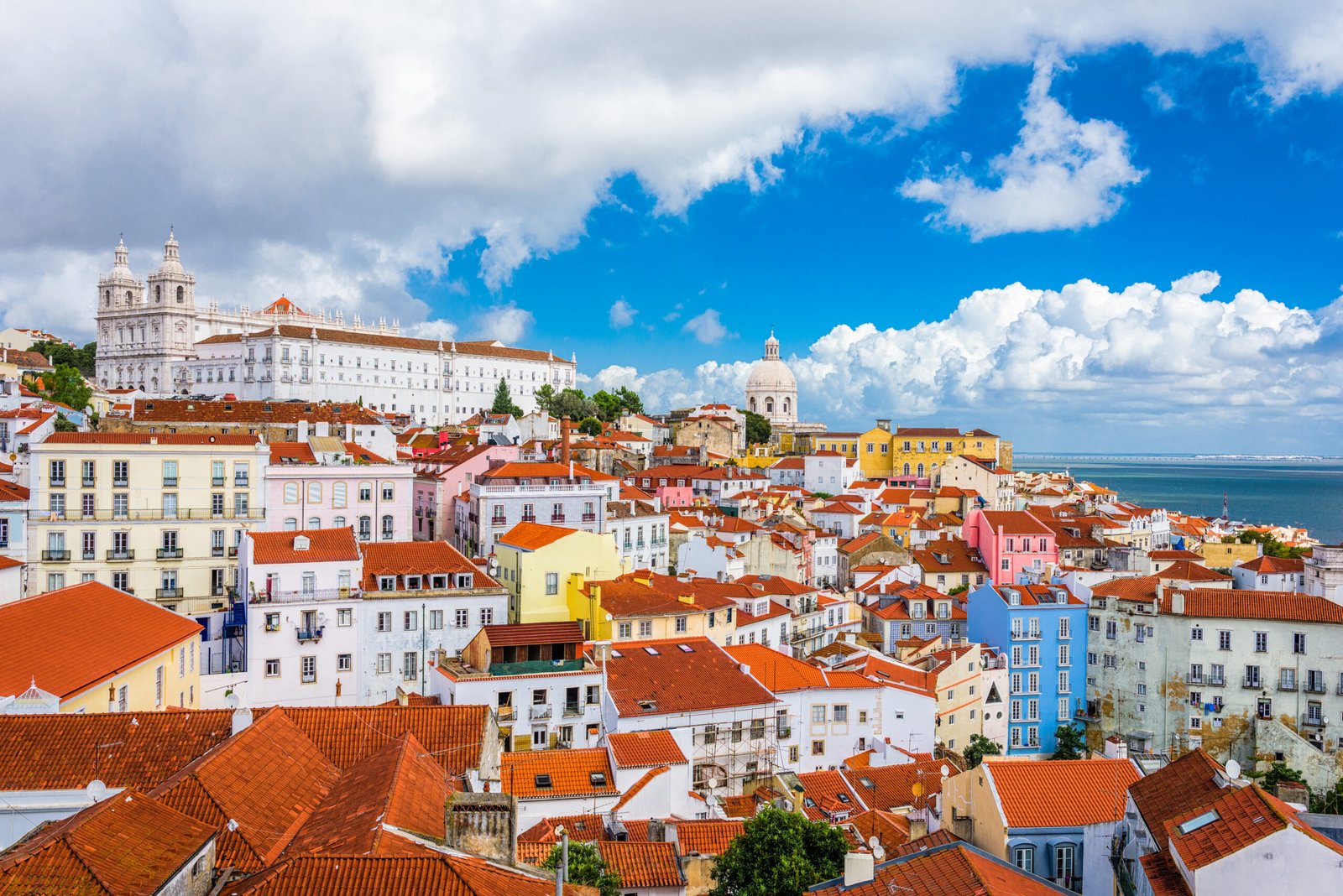
Portas do Sol Viewpoint & Santa Luzia Church
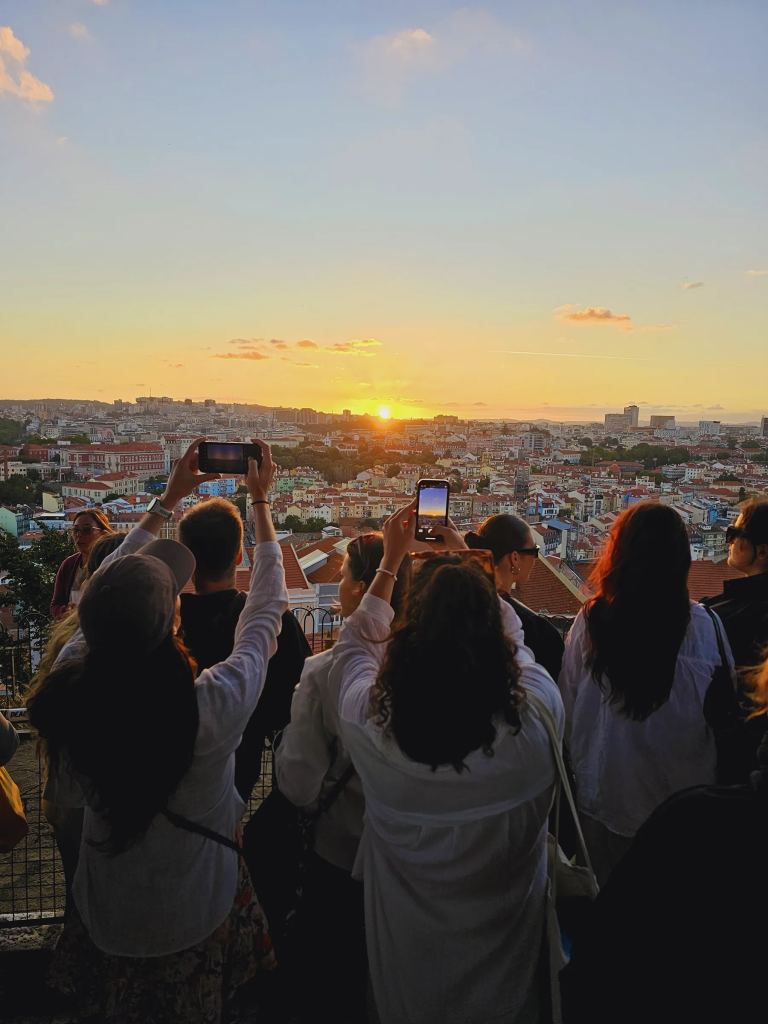
This is the postcard moment. From Portas do Sol, you’ll see Alfama’s rooftops cascade toward the Tagus River, one of Lisbon’s most iconic views. Santa Luzia adds charm with its classic tiles and romantic atmosphere, perfect for photos.
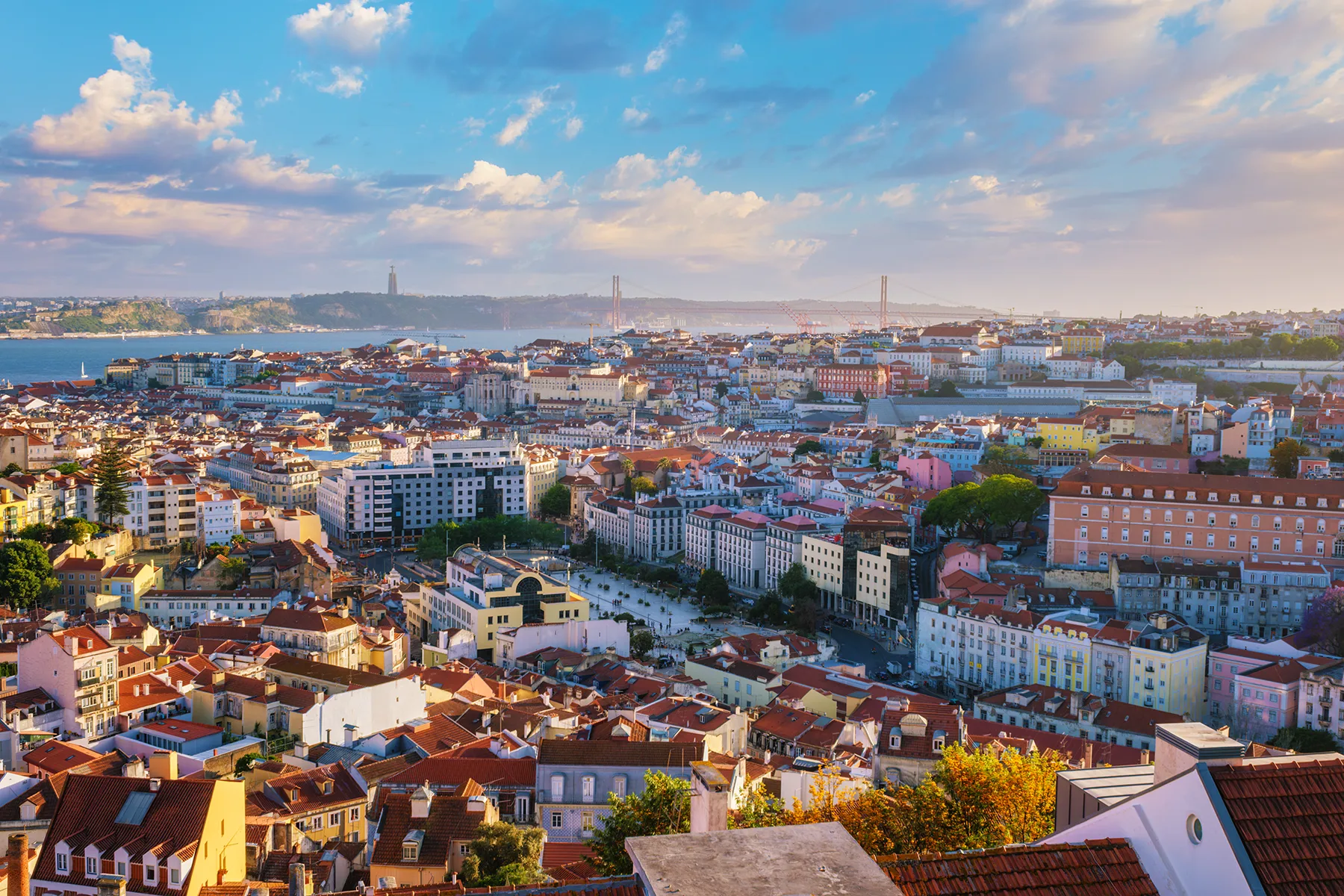
Nossa Senhora do Monte Viewpoint
Many locals call this the best view in Lisbon and it’s easy to see why. Enjoy a wide 180° panorama over the city’s hills, neighborhoods, and the river. A true “wow” moment and one of the best photo stops of the tour.
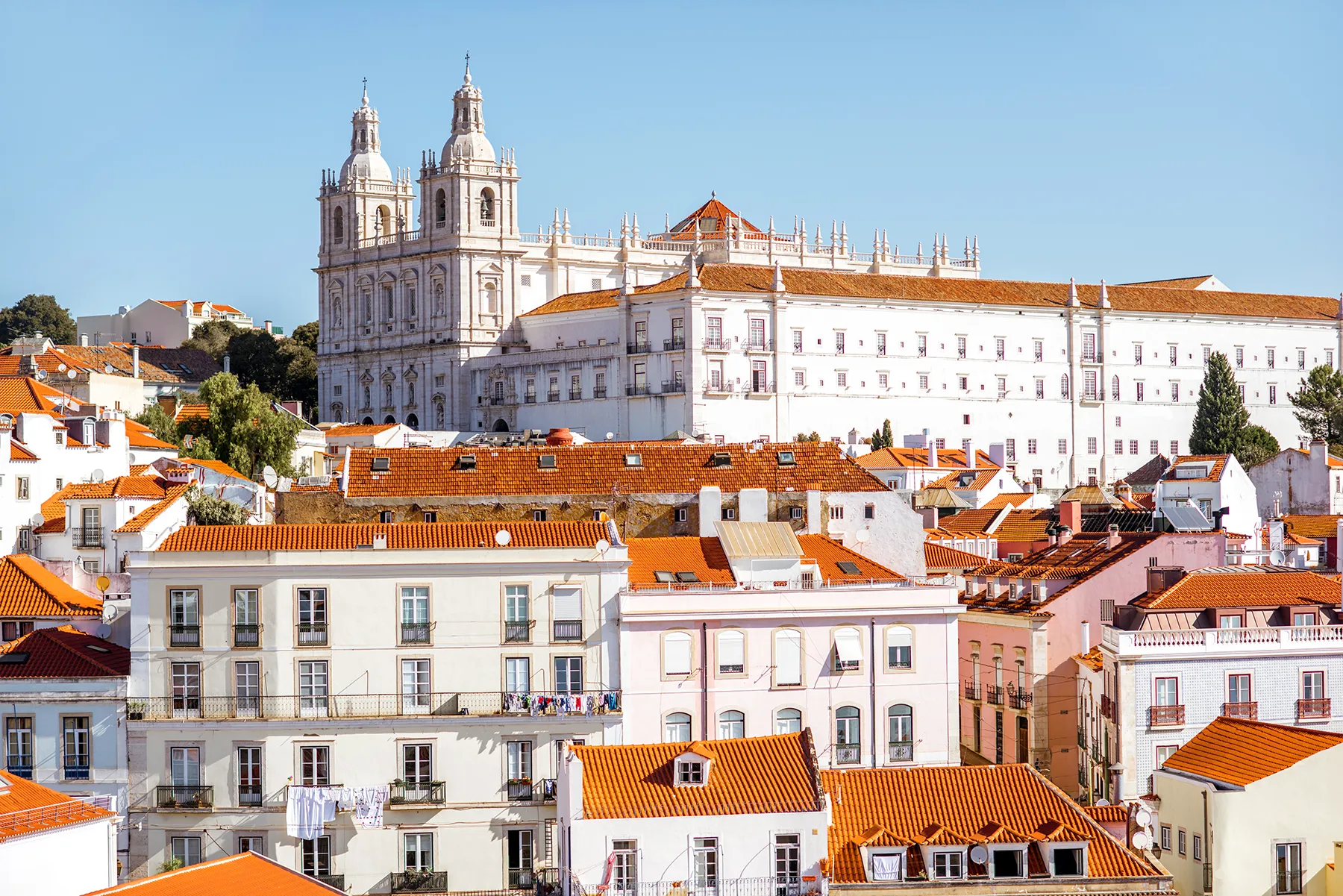
São Vicente Church & Monastery (São Vicente de Fora)
A masterpiece of Mannerist and Baroque architecture with stunning tilework and a powerful presence above Alfama. The surroundings offer incredible angles of the city and the site holds deep historical importance, including royal connections.
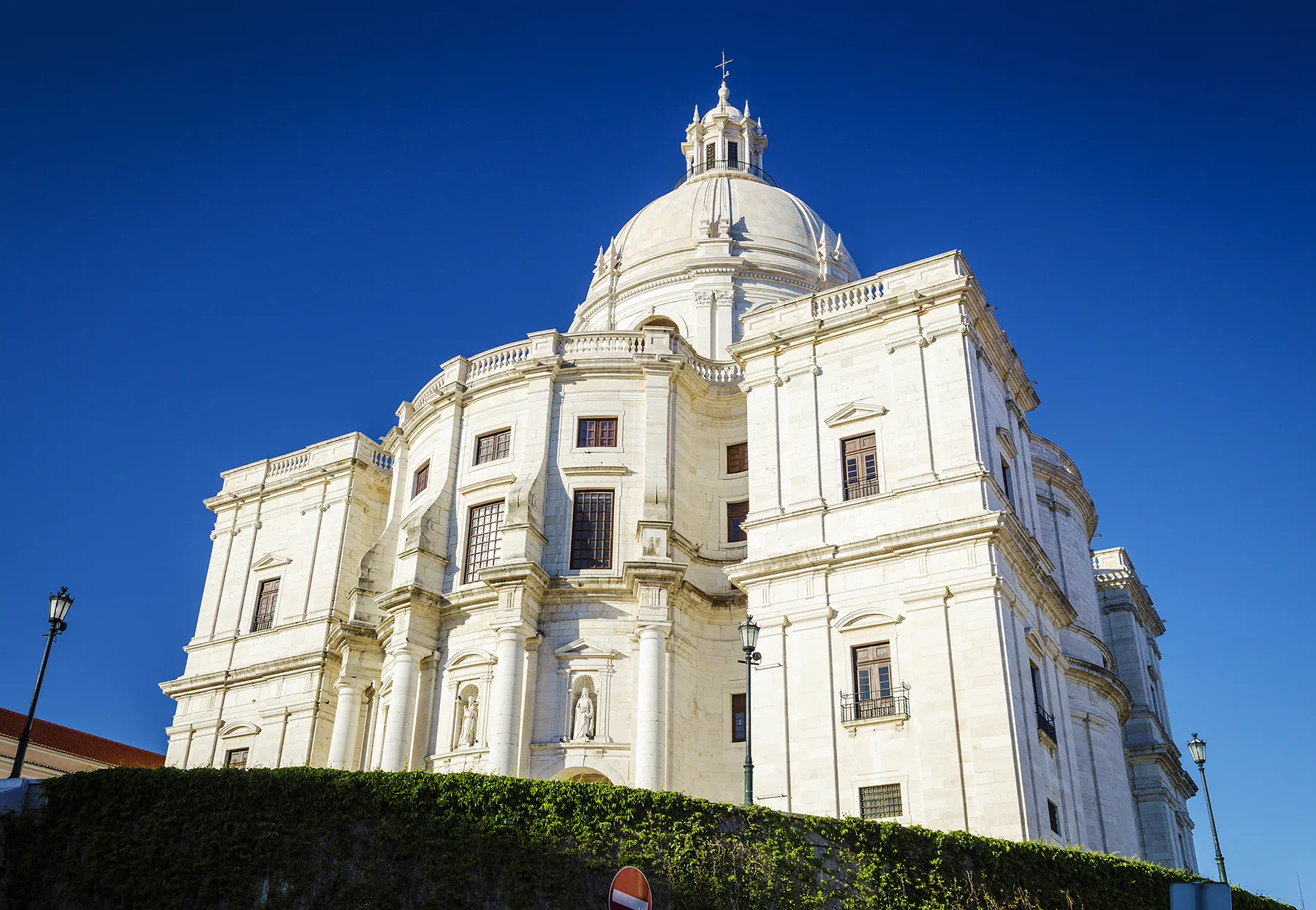
National Pantheon (Panteão Nacional)
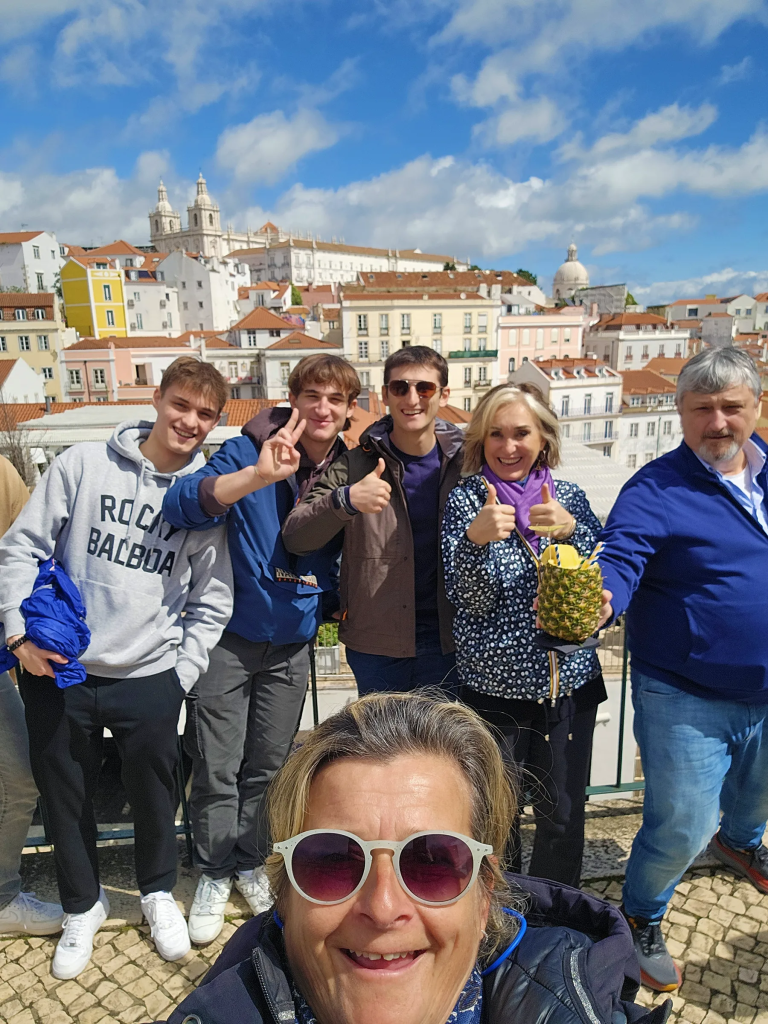
An impressive landmark in Alfama and the resting place of key Portuguese figures. The architecture is grand, the atmosphere is unique, and the viewpoint from the area offers spectacular scenery over Lisbon and the Tagus River.
Alfama
End your journey in Lisbon’s most authentic neighborhood narrow lanes, colorful houses, and the unmistakable feeling of old Lisbon. Alfama is where the city’s soul lives: history, culture, and local life in every corner. If you’d like, we can suggest a great spot to try ginjinha and soak in the atmosphere.
Chiado
Elegant and lively, Chiado blends cafés, culture, and iconic streets. A perfect area to soak up Lisbon’s refined side and feel the city’s everyday rhythm.
Largo de Camões
In the heart of Lisbon, this is a vibrant meeting point that pays homage to the poet Luís de Camões, with its imposing statue in the centre. Surrounded by historic buildings and lively terraces, it is the perfect place to enjoy the city's atmosphere.
Bairro Alto
Bairro Alto, with its vibrant nightlife and artistic murals, contrasts with the historic Largo de Camões. This is where the bohemian heart of Lisbon beats.
São Pedro de Alcântara
In the heart of Príncipe Real, this viewpoint is an invitation to contemplation. Surrounded by well-kept gardens, it reveals stunning views of Baixa, the Castle and the Tagus River, the perfect setting for a romantic stroll or a moment of inspiration.
Largo do Carmo
Largo do Carmo is a quieter place, perfect for a break and exploring a bit of history away from the hustle and bustle. The ruins and quiet corners tell stories of past revolutions and the continuous advance of time.